By Dr. Jerry Sanson
June 6, 2025, marks the 81st anniversary of the Allied invasion of the Normandy beaches in France that sparked the eventual downfall of the Nazi regime in Germany. Allied military leaders and civilians alike realized early in the war that such an invasion was inevitable, but disagreements between American and British strategists, logistics and other problems associated with the move, and the vagaries of weather caused delays that sometimes disappointed leaders because they could not move forward more quickly issuing their orders to storm the beaches.
Did they plan? Most assuredly so. Many places across the country claim to be the location where military leaders planned the D-Day invasion. For example, a story from Central Louisiana holds that officers who were in the area to participate in the Louisiana Maneuvers began planning the invasion on napkins in the Mirror Room lounge in the Hotel Bentley in downtown Alexandria. True story? Well, unverifiable at best. Did they plan while they were in Louisiana? They likely discussed ideas, but no one knows for sure.
Several Louisiana mayors anticipated the invasion and issued proclamations as early as the first week of May 1944 designating “D-day,” whenever it occurred, as a day of devotion and called upon churches to remain open and citizens to attend prayer services for Allied troops engaged in the invasion. James Houston “Jimmie” Davis’s first proclamation after he was sworn in as governor on May 9, 1944, asked Louisianians to pray for “spiritual protection, safety, and success” of American fighting forces on the day of the invasion whenever it might occur.
D-Day occurred on June 6, 1944. News of the invasion reached Louisiana on radio news bulletins broadcast at 2:32 a.m. The sun rose on a day of mixed emotions—relief that the invasion had begun at last, and concern for friends or family members who might be involved.
J. E. Mclaughlin, assistant pastor of St. Rita’s Catholic Church in New Orleans, began a four-hour prayer vigil at 4:00 that morning. Navy cadets at Tulane University heard the news at their 6:45 reveille and broke into cheers. Archbishop Joseph Francis Rummel issued a statement of support for Allied troops, then paced in his garden in New Orleans awaiting additional news. Mayor Robert Maestri called upon New Orleans residents “to join in universal prayers for God’s blessing upon our armed forces.” Many Alexandria residents stopped by churches throughout the day for a moment’s reflection and prayer. Governor Davis called a special joint session of the legislature for noon. Legislators and guests crowded the House chamber as Davis and Chaplain Edwin Olsen of Harding Field in Baton Rouge prayed for a successful invasion and for the safety of Louisiana citizens involved. About 3,000 Louisianians reportedly died on D-Day.
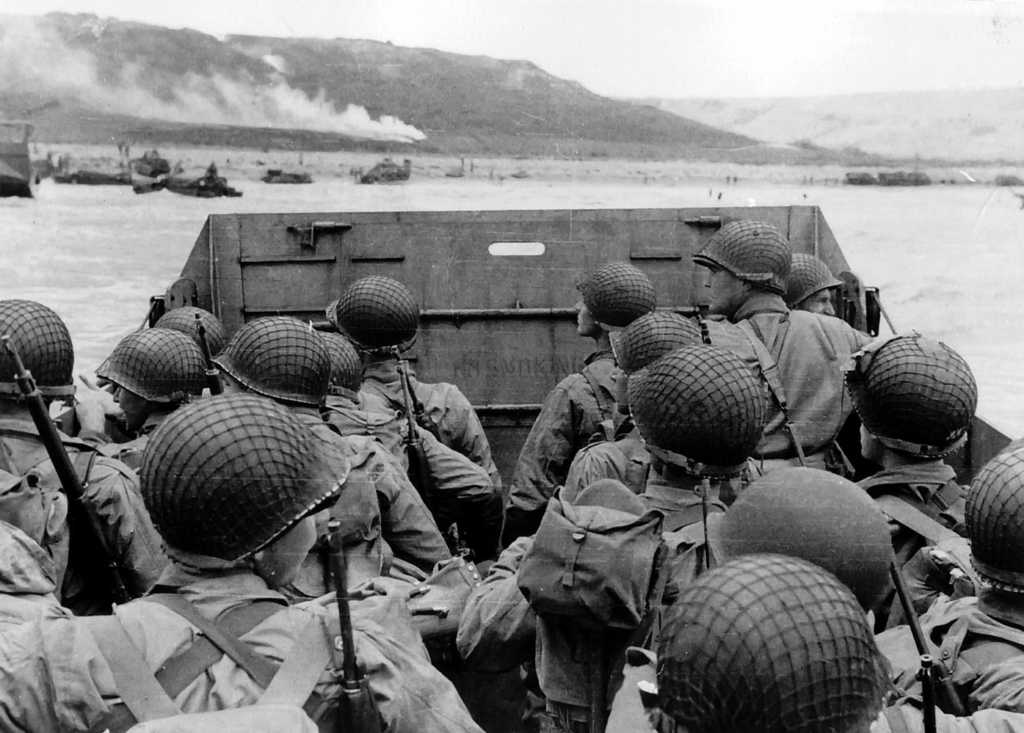
One of the prominent pieces of equipment used on D-Day was a product of Louisiana. A fleet of the famous Higgins Boats (Landing Craft Vehicle Personnel) manufactured in New Orleans ferried troops from their transport ships onto the deadly shore, burnishing their reputation as “the boat that won the war” as General Dwight Eisenhower described them to Andrew Jackson Higgins after the war. If you have ever watched the movie Saving Private Ryan, you will remember the realistic opening scene set in a Higgins Boat approaching the Normandy beach.