Jerry Sanson
Louisiana Maneuvers and Military Museum
May 2026

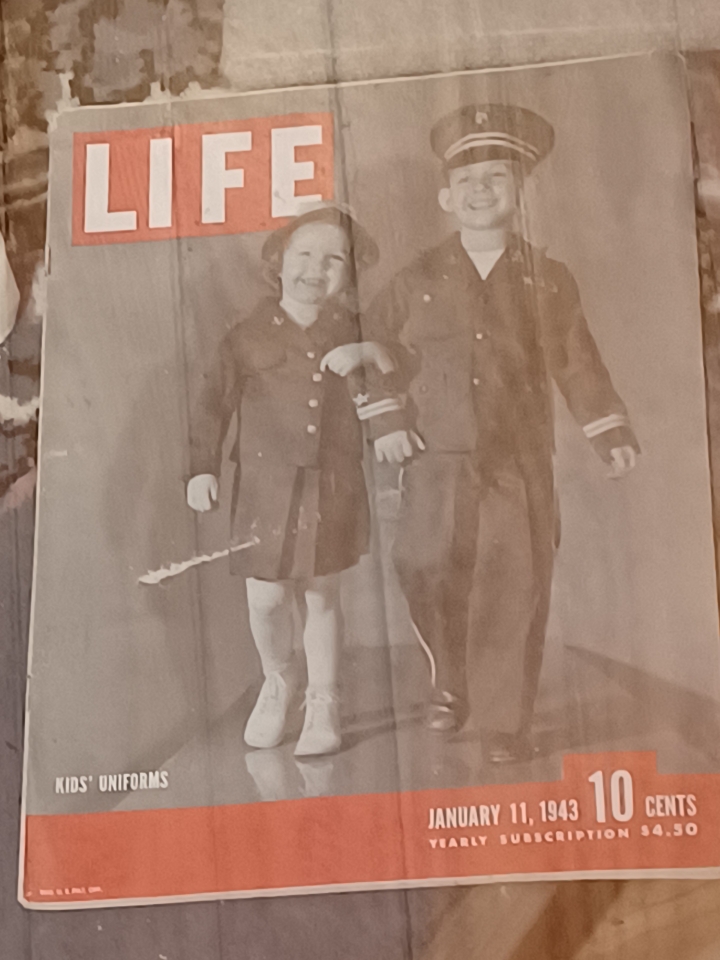
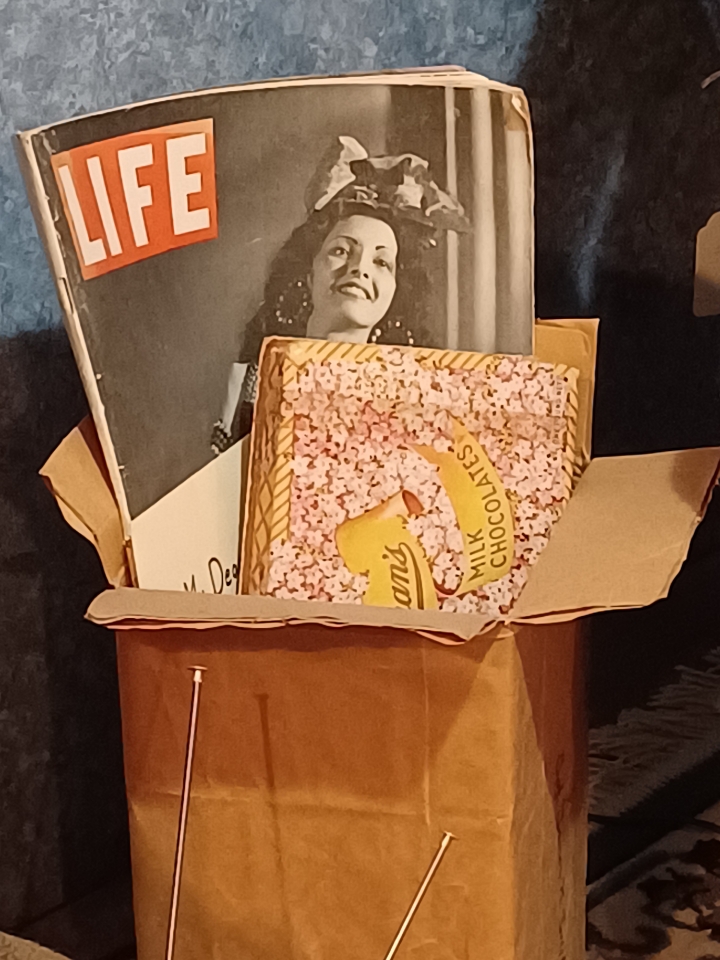
The Louisiana Maneuvers and Military Museum includes copies of LIFE magazine from the World War II years in the Home Front exhibit because it was a major source of news and pictures about the war that kept members of many households informed about war progress. It was a major icon during the early 1940s, reportedly reaching an audience of about 22.5 million people per week.
The original Life magazine dated to 1883 and was devoted to humor. It had fallen on hard times and a circulation of about 70,000 when Henry Robinson Luce, owner and publisher of TIME magazine, bought the rights to the name in 1936.
Luce did not intend to continue publishing a languishing humor magazine but instead envisioned turning it into a new journalism format later called photojournalism. The new LIFE debuted on November 23, 1936. While TIME continued to publish explanatory articles heavy on words and concepts, LIFE published photographs that illustrated the appearance of e events and the people who made them happen. Photographers such as Margaret Bourke-White, Alfred Eisenstaedt, Peter Stackpole, Thomas McAvoy, and Carl Mydans, among others, made sure that the magazine had a wide range of photos to publish.
LIFE served as a primary chronicle of World War II for households across the country. Its staff photographers accompanied troops in all theaters of the war, and their photographs gave readers a detailed vision of the conflict. Many people shaped their understanding of the war from pictures they saw in the magazine. It is estimated the during the 1940s, LIFE reached 21% of the American population aged over ten years or older, or about 22.5 million people with each weekly issue. Many people formed their vision and understanding of the war from the pictures they saw in LIFE. The understanding of the war that we have even today is still based on some of the scenes captured through a LIFE photographer’s lens.
Henry Luce maintained when he announced his plans for a new magazine in 1936 that he intended to give his readers the ability “To see life; to see the world; to eyewitness great events; to see strange things—machines, armies, multitudes, shadows in the jungle, and on the moon; to see man’s work—his paintings, towers, and discoveries; to see things thousands of miles away; things hidden behinds walls and within rooms; things dangerous to come to; the women that men love and many children; to see and take pleasure in seeing; to see and be amazed; to see and be instructed.” His creation achieved his goals with peak performance that seemed perfectly suited to report on World War II.