
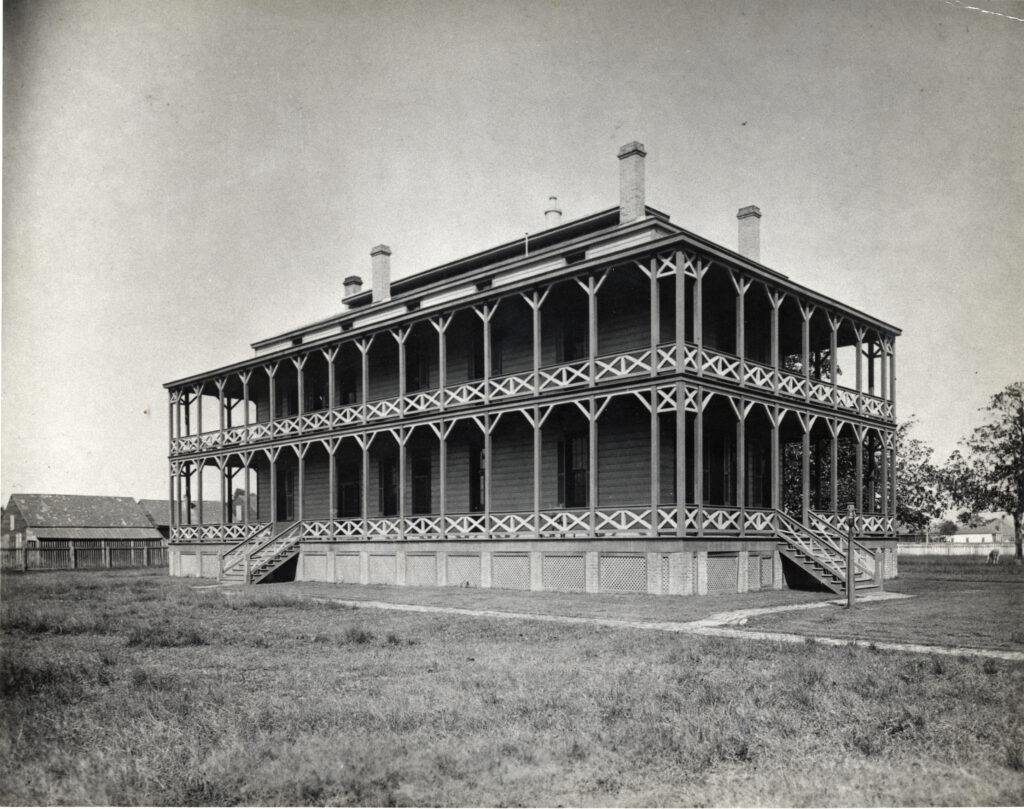
In 1891, this building was constructed as a hospital – the 3rd on post since its founding in 1835. By the turn of the century, advances had been made in medical care enough so that adequate hospital facilities could be found in the city, but a single hospital building was still needed as a place for sick Soldiers to convalesce. Until 1905, New Orleans was still a major Yellow Fever hotspot. It was active in a medical capacity for the Spanish American War and World War I.
In the 1920s, Jackson Barracks was transferred from the US Army to the Louisiana National Guard. This former hospital building was converted into the headquarters building for the adjutant general. During the Great Depression of the 1930s, President Roosevelt instituted programs to give Americans work including major renovation projects on Jackson Barracks overseen by the Works Progress Administration-WPA.
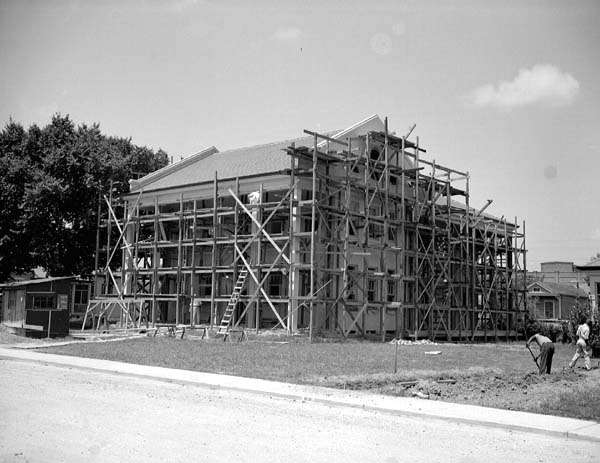
Hufft Hall WPA Construction
In 1936, this building was massively renovated by the WPA to become a temporary residence for transient Soldiers.

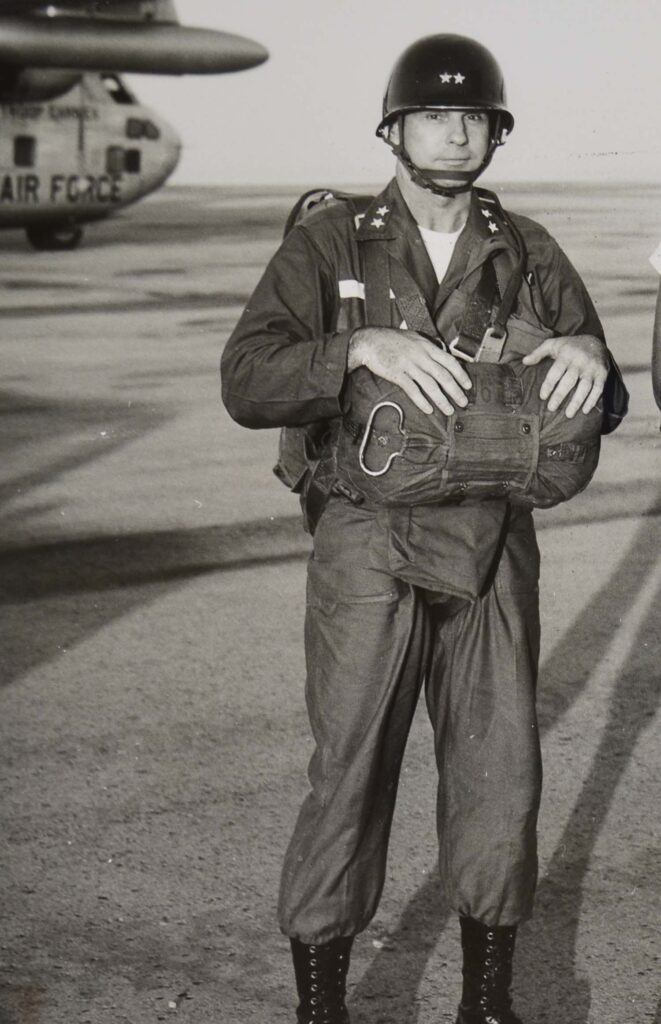
Raymond F. Hufft was the 39th and 41st Louisiana adjutant general, serving both tenures (1948-1952, 1956-1960) under Governor Earl Long. Hufft started his military career with the 108th Cavalry in New Orleans. He deployed to World War II with the 105th Coastal Defense Artillery in the Pacific but transferred to the First Special Service Force in 1943. The FSSF was a special operations “Commando” unit. Having participated with heroics in the campaigns of Rome-Arno, Casino, Southern France and Central Europe, Hufft was one of the most decorated WWII Soldiers from Louisiana. After his death in 1972, this building was named in his honor.

Hufft Hall 1973